



When it comes to higher education, some institutions take the phrase “you get what you pay for” to a whole new level. Picture this: a university where tuition fees could rival the price of a luxury car. Welcome to the world of the most expensive university in the USA, where students aren’t just investing in their education; they’re also investing in their future yacht.
Overview of Expensive Universities
Tuition fees at prestigious universities in the USA can exceed $70,000 annually. These institutions not only offer quality education but also promise valuable networking opportunities. Students often find that they invest significantly in their academic journey, which translates into long-term career benefits.
Private universities tend to dominate the list of the most expensive options. For instance, in the 2023 academic year, the University of Southern California reported an annual tuition cost of approximately $64,500. Similarly, New York University follows closely with similar costs, emphasizing the trend of rising education expenses in urban centers.
Class size and faculty-to-student ratios serve as additional indicators of quality at these institutions. Smaller class sizes enhance personalized learning, creating more interactive environments. Furthermore, professors often possess extensive industry experience, providing students with real-world insights.
Facilities also play a crucial role in the overall investment. Many expensive universities feature state-of-the-art libraries, labs, and recreational spaces. Access to these resources significantly enriches the student experience, fostering an environment conducive to academic success.
Financial aid options can mitigate some of the high costs associated with these universities. Scholarships based on merit or need can offset tuition, making expensive universities more accessible. Additionally, some institutions offer generous financial packages to attract talented students, contributing to diverse campus communities.
Overall, the decision to attend an expensive university involves careful consideration. The potential return on investment in terms of career opportunities must balance against the financial burden of tuition fees.
The Most Expensive University in USA
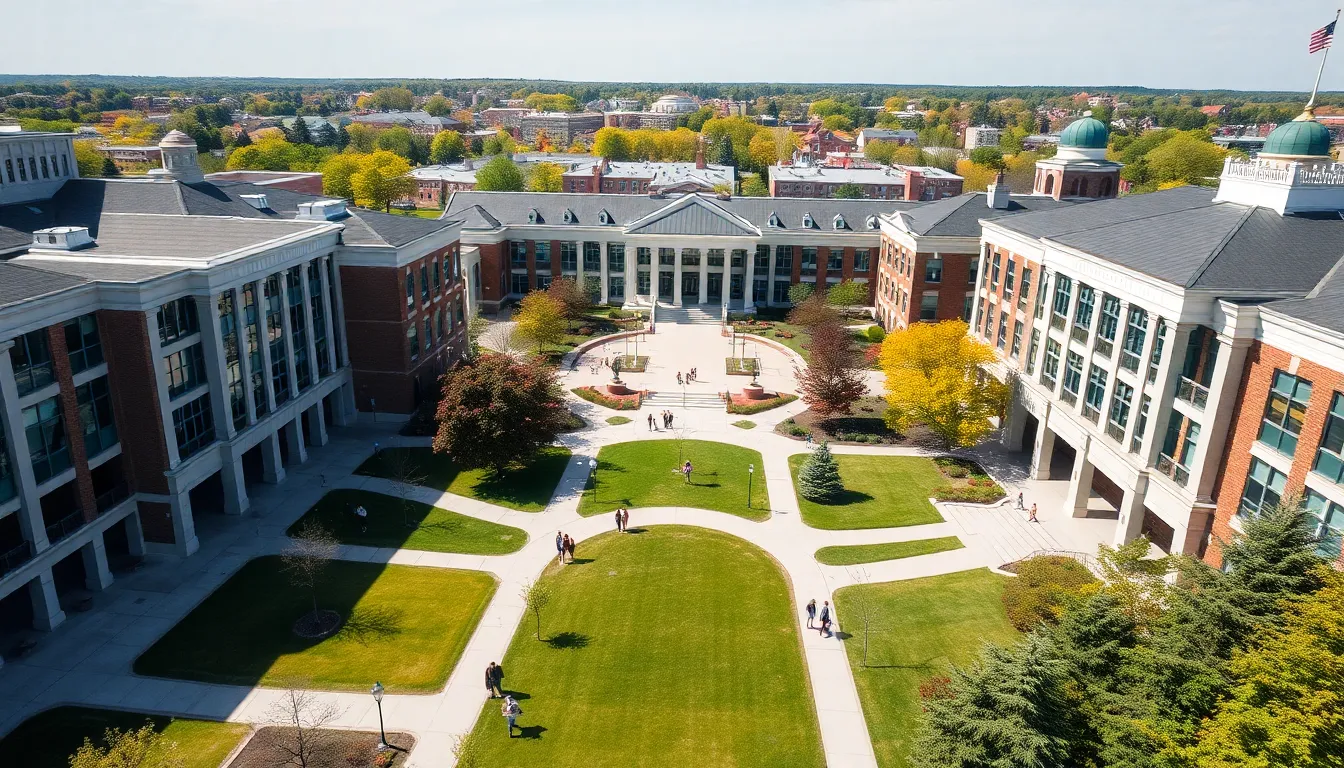
The university recognized for its soaring tuition fees stands as a significant financial commitment for students. In the current academic landscape, certain institutions charge upwards of $80,000 per year in tuition, inclusive of living expenses and fees.
Tuition Fees and Costs
Tuition fees at this university trend near $80,000 annually. Students encounter additional expenses, such as housing, books, and supplies, pushing overall costs closer to $100,000. Premium amenities and access to cutting-edge facilities contribute to these high prices. Students benefit from a range of student services, enhancing the overall educational experience. While financial aid options, including scholarships and grants, exist, the net cost remains substantial.
Comparison with Other Elite Institutions
Comparatively, several elite institutions also command high tuition fees, though the most expensive consistently tops the list. For example, both Harvard University and Stanford University charge approximately $75,000 annually. Notably, social factors and urban settings influence tuition prices. Elite universities often offer unique programs and extensive alumni networks, enhancing their appeal. Considering these factors, the expensive university maintains its reputation while providing a distinctive educational journey.
Factors Contributing to High Costs
Expensive tuition fees stem from various factors within prestigious universities. These elements significantly impact the overall cost students face.
Location and Campus Facilities
Urban environments typically drive up expenses. Universities located in high-cost cities often require more significant funding for housing and daily living. Premium facilities contribute to the appeal, with top-notch laboratories, libraries, and recreational centers featuring prominently on campuses. These amenities enhance the educational experience and foster student engagement. Furthermore, beautiful campus settings can attract deep-pocketed students eager for an immersive educational journey.
Faculty and Research Opportunities
Excellent faculty members command higher salaries. Renowned professors and industry experts attract students passionate about research and hands-on learning. Access to cutting-edge research opportunities enriches students’ educational experiences, also leading to higher operational costs. Small class sizes emerge as critical for fostering interaction and personalized learning, which can enhance a student’s academic journey. Therefore, universities invest in faculty and research initiatives to maintain a competitive edge, increasing overall tuition for students.
Financial Aid and Scholarships
Extensive financial aid options and scholarships play a crucial role in making prestigious university education accessible. Many students worry about substantial tuition fees, reaching upwards of $80,000 annually. Numerous universities offer various types of financial assistance to help mitigate these costs.
Merit-based scholarships often recognize exceptional academic achievement, providing significant awards that reduce out-of-pocket expenses. Additionally, need-based financial aid assists students from low- to moderate-income backgrounds, ensuring a broader diversity of enrollment. It’s also common for universities to provide comprehensive financial aid packages that may include grants, loans, and work-study opportunities.
Certain institutions also offer specialized scholarships for underrepresented groups, aimed at fostering an inclusive environment. For instance, diversity scholarships can enhance enrollment while acknowledging different backgrounds and experiences. The financial aid office at each institution typically serves as an invaluable resource, guiding students through the application process and helping determine the best aid options available.
Economic factors influence the overall financial aid landscape, as universities strive to attract talented students despite high tuition fees. Many institutions analyze their endowment and funding sources, allowing them to offer competitive scholarships that can rival costs at other elite universities.
Research indicates that attending an expensive university may provide long-term financial benefits, with graduates often enjoying higher earning potential. Networking opportunities, facilitated by strong alumni connections, frequently enhance career prospects after graduation. This dual approach to education—balancing tuition costs with financial aid strategies—enables students to pursue their academic goals without the overwhelming burden of debt.
The landscape of higher education in the USA reveals a stark reality: the most expensive universities demand significant financial investment. While the hefty tuition fees can be daunting students must weigh the potential returns against the costs. Access to elite education often comes with unparalleled networking opportunities and resources that can significantly enhance career prospects.
As students navigate their options they should remain mindful of the financial aid available to help ease the burden. Ultimately the choice to attend a prestigious institution should align with their academic and professional goals. A thoughtful approach can turn an expensive education into a valuable asset for the future.