


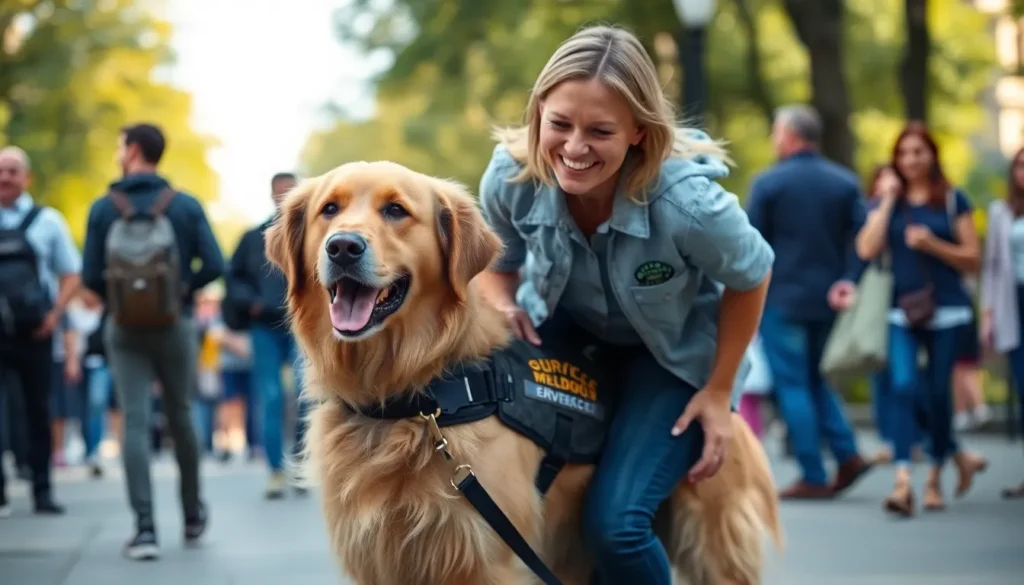
In a world where dogs are more than just furry companions, the distinction between real service dog vests and their not-so-genuine counterparts is crucial. Imagine strolling through a crowded store, only to spot a pup sporting a vest that screams “I’m a service dog!” while it’s clearly just there for the free treats. It’s like finding out that the fancy restaurant you chose serves microwaved meals.
Understanding Service Dog Vests
Service dog vests play a crucial role in identifying legitimate assistance animals. Differentiating between real and fake vests can enhance public understanding and respect for service dogs.
What Is a Real Service Dog Vest?
A real service dog vest features specific characteristics. Typically, it displays patches or labels indicating the dog’s training status. These vests are often durable and designed for comfort to support the service dog during work. Certification from recognized organizations frequently accompanies real vests. Legally, the Americans with Disabilities Act (ADA) qualifies service dogs, ensuring that only trained animals assist individuals with disabilities. Identification like a vest acts as an indicator of the dog’s role.
What Is a Fake Service Dog Vest?
A fake service dog vest lacks the qualities of a genuine one. Often, these vests may have generic designs without proper identification. Many times, individuals purchase them online without verifying the dog’s training status. Fake vests can contribute to misunderstandings in public spaces, creating confusion around the service dog’s role. Misuse of these vests undermines the experiences of people relying on trained service animals. Identifying a fake vest often involves noting the absence of standardized certifications or established organization emblems.
Key Differences Between Real and Fake Vests
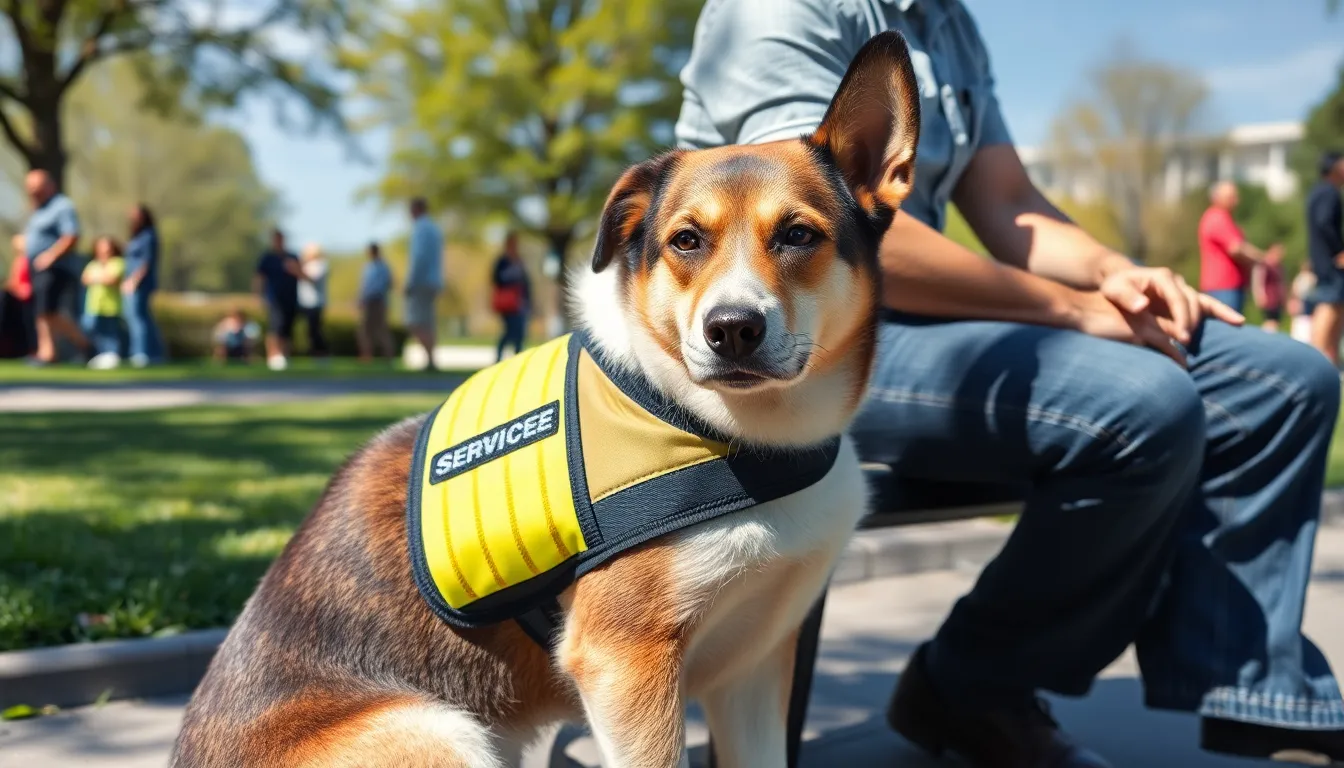
Identifying the differences between genuine service dog vests and counterfeit versions is essential for public understanding. Several factors help distinguish between them.
Materials and Quality
Real service dog vests use high-quality, durable materials that withstand wear and tear. Often, these vests include features such as reflective strips and sturdy stitching for safety and visibility. Comfort is another priority; adjustable straps ensure a snug fit for the dog. In contrast, fake vests typically consist of low-cost materials with flimsy construction. Such vests often lack proper fastening or adjustable straps, leading to discomfort for the dog. Reliability in design makes genuine vests a superior choice.
Legal Considerations
Legal requirements govern the use of service dog vests, which vary by location. Many regions recognize service dog statuses only when accompanied by proper identification. Genuine vests often include tags or patches from legitimate organizations, signifying training and certification. These identifiers help prevent misunderstandings in public spaces. Fake vests, lacking legal backing or proper documentation, may lead to legal consequences for the user. Understanding these regulations can help prevent misuse and protect the rights of individuals with real service dogs.
How to Identify a Real Service Dog Vest
Identifying a genuine service dog vest involves recognizing specific features that comply with established standards. Proper identification features include distinct patches or labels indicating the dog’s training. Transparency is crucial, as genuine vests display information from recognized organizations, ensuring its validity. Durable materials enhance these vests, offering both comfort and safety through reinforced stitching. Additionally, reflective strips improve visibility, especially in low-light conditions.
Proper Identification Features
Important traits define a legitimate service dog vest. High-quality materials often characterize real vests, which resist wear and tear. Reflective features enhance safety, while sturdy stitching assures durability. Compliance with legal requirements highlights their authenticity, as many regions mandate proper identification through tags or organization patches. Visibility of these identifiers promotes public awareness, increasing respect for service animals and their handlers.
Common Misleading Signs
Recognizing misleading signs on fake service dog vests requires attention to detail. Generic designs often lack specific identification, making them less credible. Poor-quality materials frequently appear in imitations, undermining comfort and durability. Spelling or grammatical errors sometimes indicate illegitimacy as well, suggesting a rushed production process. Users of fake vests may unintentionally misrepresent their dogs’ capabilities, causing misunderstandings in public settings. These factors emphasize the importance of thorough evaluation when determining the authenticity of service dog vests.
The Importance of Authenticity
Authenticity in service dog vests ensures that legitimate assistance animals receive the recognition they deserve. Genuine vests display clear indicators of a dog’s training and role, which promotes public awareness and understanding.
Benefits of Using a Real Service Dog Vest
Using a real service dog vest provides numerous advantages for both the handler and the dog. Proper identification allows service animals easier access to public spaces, ensuring they can assist their handlers without unnecessary obstacles. Durable materials and reinforced stitching enhance safety, contributing to the dog’s overall comfort during tasks. Recognizable patches or labels also amplify public respect, making it clear that these dogs fulfill vital functions. Ensuring a legitimate vest improves compliance with laws that recognize the rights of service dog handlers, fostering positive interactions with the community.
Risks Associated with Fake Vests
Fake service dog vests come with significant risks that can impact both the handler and genuine service animals. Misrepresentation can lead to tension in public places, as people may question the authenticity of a dog’s assistance role. Legal repercussions can arise from using fake vests, as many regions mandate proper identification, which these vests fail to provide. Fake vests often use low-quality materials that can compromise a dog’s comfort and safety, ultimately harming their effectiveness. Additionally, their prevalence contributes to misunderstandings about the real capabilities and importance of trained service animals, diminishing their credibility in public perception.
Understanding the difference between real and fake service dog vests is essential for fostering a respectful environment for both service animals and their handlers. Genuine vests not only ensure proper recognition but also enhance safety and comfort for the dogs. By promoting awareness of the characteristics that distinguish authentic vests from counterfeit ones, the public can better support individuals who rely on trained service animals.
The misuse of fake vests undermines the credibility of legitimate service dogs and can lead to misunderstandings in public spaces. It’s crucial to remain vigilant and informed to help protect the rights of those who genuinely need assistance from their service animals.