


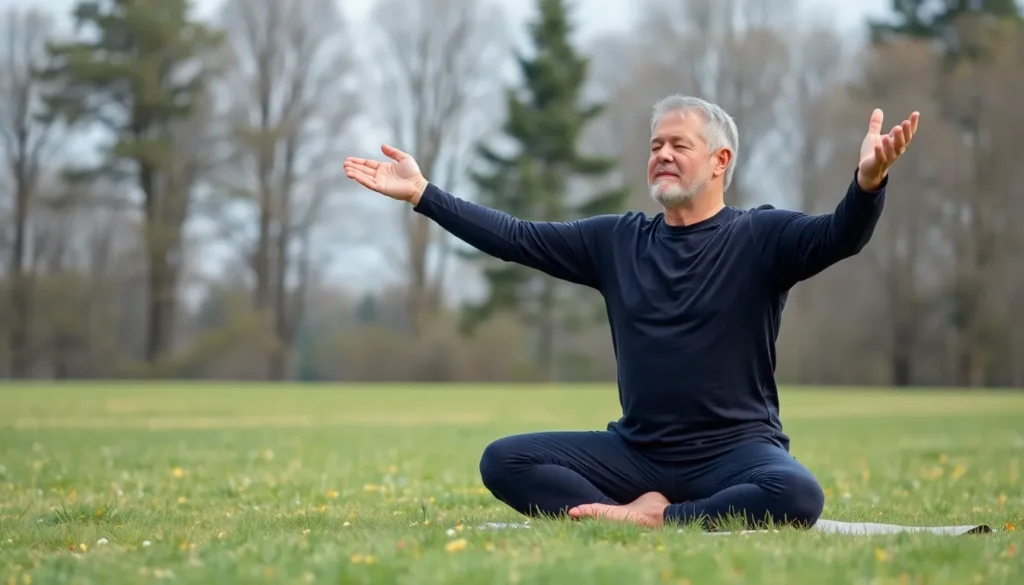
In today’s fast-paced world, stress and tension can quickly accumulate, leaving individuals feeling overwhelmed and drained. Decompression techniques offer a way to release this built-up pressure, promoting relaxation and overall well-being. From simple breathing exercises to more structured practices like yoga and meditation, these methods can help restore balance and clarity.
Understanding the various decompression techniques available empowers individuals to choose the right approach for their unique needs. Whether it’s a quick five-minute break during a busy workday or a dedicated hour of mindfulness, these practices can transform how one navigates daily challenges. Explore the world of decompression techniques and discover how they can enhance mental and physical health.
Overview of Decompression Techniques
Decompression techniques encompass various practices aimed at relieving stress and tension. These methods promote relaxation and enhance overall well-being.
Breathing Exercises
Breathing exercises focus on controlled breath patterns. Techniques include diaphragmatic breathing, box breathing, and 4-7-8 breathing. Each method lowers heart rate and reduces anxiety by encouraging mindful awareness.
Yoga
Yoga combines physical postures, breathing techniques, and meditation. Poses like Child’s Pose, Downward Dog, and Savasana facilitate relaxation. Yoga improves flexibility and calms the mind, making it a powerful decompression tool.
Meditation
Meditation includes different forms such as mindfulness, transcendental, and loving-kindness. Engagement in meditation for as little as 10 minutes can decrease stress, enhance focus, and improve emotional regulation.
Progressive Muscle Relaxation (PMR)
PMR involves systematically tensing and relaxing muscle groups. This technique helps individuals recognize the difference between tension and relaxation, promoting physical and mental tranquility.
Guided Imagery
Guided imagery engages the imagination to create calming mental images. This technique helps distract from stressors and can foster a sense of peace and relaxation.
Nature Exposure
Nature exposure techniques involve spending time outdoors or engaging in nature-related activities. Research shows these practices can lower cortisol levels and boost mood.
By incorporating these techniques into daily routines, individuals effectively manage stress and enhance their overall quality of life. Selecting the right method depends on personal preferences and specific needs.
Types of Decompression Techniques
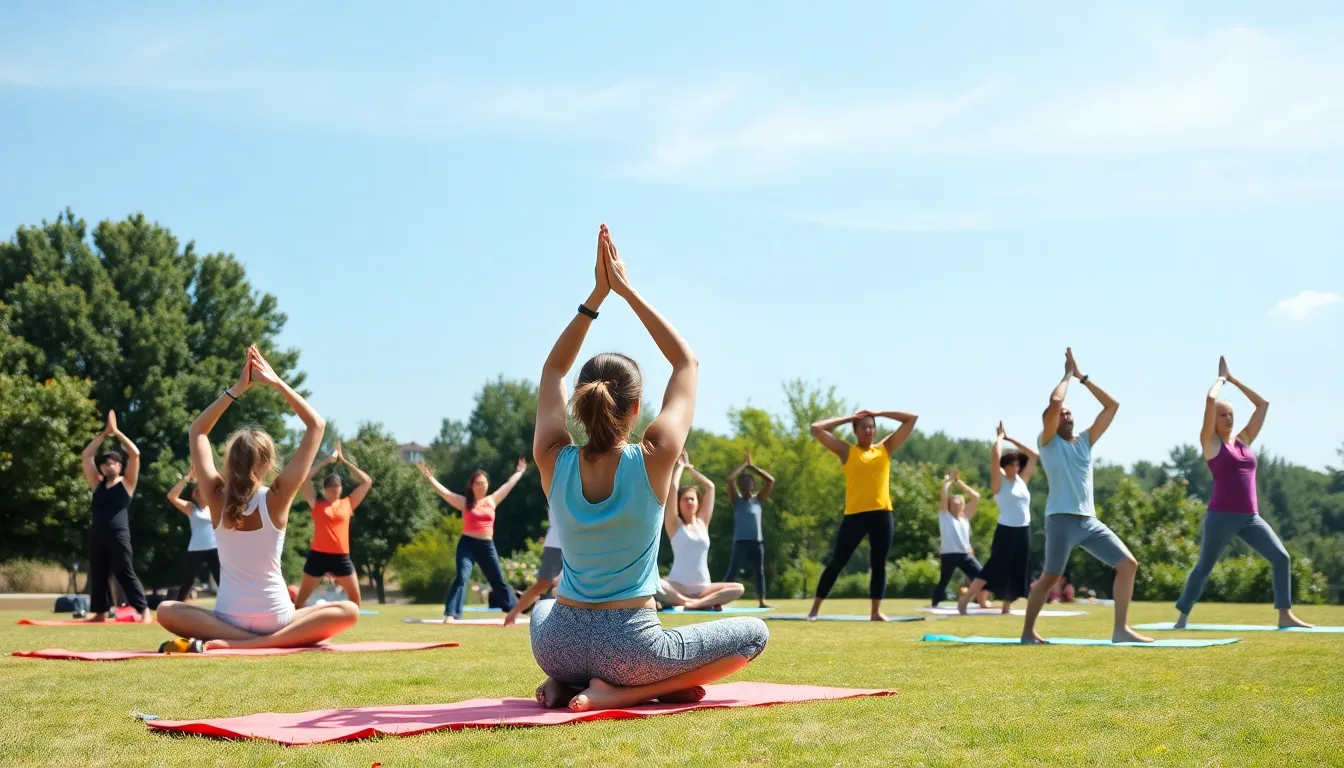
Decompression techniques can be categorized into surgical and non-surgical methods, each serving distinct purposes in stress relief and physical health management.
Surgical Decompression
Surgical decompression involves medical procedures designed to relieve pressure on nerves or areas of the body, typically due to conditions like herniated discs or spinal stenosis. Specific techniques include:
- Laminectomy: Removal of a portion of the vertebra to alleviate nerve compression.
- Discectomy: Surgical excision of herniated disc material to relieve pressure on spinal nerves.
- Foraminotomy: Expansion of the foramen to create more space for nerve roots.
These procedures aim to reduce pain and enhance mobility by directly addressing structural issues impacting nerve function.
Non-Surgical Decompression
Non-surgical decompression focuses on therapeutic techniques to reduce stress and promote relaxation without invasive methods. Key approaches include:
- Controlled Breathing Exercises: Techniques like diaphragmatic and box breathing regulate heart rate and lower anxiety.
- Yoga: Combines physical postures and meditation to increase flexibility and mental clarity.
- Meditation: Includes mindfulness and loving-kindness practices, which enhance emotional regulation and decrease stress.
- Progressive Muscle Relaxation (PMR): Involves tensing and relaxing muscle groups to improve awareness of tension and relaxation.
- Guided Imagery: Utilizes calming mental images to foster a sense of peace and reduce anxiety.
- Nature Exposure: Spending time outdoors decreases cortisol levels and elevates mood.
Each non-surgical technique addresses stress and tension in ways that can be integrated into daily routines, promoting overall well-being.
Efficacy of Decompression Techniques
Decompression techniques demonstrate significant benefits in managing both stress and physical discomfort. Various methods contribute to pain relief and can improve recovery time for individuals experiencing stress-related issues or physical ailments.
Pain Relief Outcomes
Decompression techniques, particularly surgical options, can effectively alleviate pain caused by nerve compression. Procedures like laminectomy, discectomy, and foraminotomy target specific areas to relieve pressure on nerves, leading to notable improvements in pain levels. Studies show that up to 90% of patients report pain relief following these surgical interventions. Non-surgical methods, such as controlled breathing exercises, yoga, and guided imagery, also contribute to pain management. Individuals practicing these techniques may experience a reduction in pain perception. For example, yoga enhances flexibility and reduces muscle tension, which can result in decreased discomfort.
Recovery Time
Recovery time varies significantly between surgical and non-surgical decompression techniques. In surgical cases, patients often require several weeks to months for recovery, depending on the complexity of the procedure and individual health factors. Typically, laminectomy patients might take four to six weeks before resuming regular activities. In contrast, non-surgical techniques such as yoga and meditation promote mental and physical recovery without extended downtime. Many individuals can integrate non-surgical decompression techniques into their daily lives immediately, leading to quicker adjustments and enhanced overall well-being.
Risks and Considerations
Understanding risks and considerations associated with decompression techniques ensures informed decision-making. Both surgical and non-surgical methods present potential complications that individuals must consider.
Potential Complications
Surgical decompression techniques can lead to complications, including:
- Infection: Surgical procedures may introduce bacterial infections, increasing recovery time.
- Hemorrhage: Excessive bleeding may occur, requiring additional medical intervention.
- Nerve Damage: There’s a possibility of unintentional nerve injury during surgery, which can result in persistent pain or weakness.
- Scar Tissue Formation: Post-surgery, scar tissue can develop and potentially cause additional nerve compression.
Non-surgical methods also entail risks, albeit generally less severe. These risks may include:
- Physical Strain: Overexertion during activities like yoga can lead to muscle strains or joint injuries.
- Emotional Discomfort: Some meditation practices may provoke anxiety or stress in certain individuals, necessitating a more supportive environment.
Patient Selection Criteria
Choosing the appropriate decompression technique involves several critical factors:
- Medical History: Understanding pre-existing conditions, such as diabetes or cardiovascular issues, helps determine surgical risks.
- Age: Older individuals may face higher risks during surgical procedures and may benefit more from non-surgical methods.
- Severity of Symptoms: The intensity and duration of symptoms influence the choice between surgical or non-surgical interventions.
- Personal Preferences: Patients’ comfort with invasive procedures versus alternative therapies plays a crucial role in decision-making.
By carefully assessing these aspects, healthcare providers can recommend suitable decompression techniques tailored to each individual’s needs and circumstances.
Future Trends in Decompression Techniques
Future trends in decompression techniques focus on innovations that enhance usability and effectiveness. Emerging technologies and research aim to improve stress management and recovery times.
- Wearable Technology
Wearable devices track physiological responses to stress and recommend personalized decompression techniques based on real-time data. These devices can measure heart rate variability and guide users in practicing breathing exercises.
- Virtual Reality (VR) Therapy
VR therapy provides immersive environments for relaxation and distraction from stressors. Studies show that users can experience reduced anxiety and improved emotional regulation through guided meditation sessions in virtual settings.
- Telehealth Integration
Telehealth allows for remote guidance in implementing decompression techniques. Virtual consultations enable healthcare providers to assess individual needs and facilitate access to therapeutic practices, such as yoga and PMR.
- Mindfulness Apps
Mindfulness applications offer structured programs for meditation and breathing exercises. With features such as progress tracking and community support, these apps resonate with the need for accessible mental health tools in a digital age.
- Research on Neuroplasticity
Ongoing studies explore how decompression techniques may reshape neural pathways. Understanding the impact of practices like yoga and meditation on brain function could lead to refined approaches tailored for stress reduction.
- Personalized Wellness Plans
Data-driven insights will guide the creation of customized decompression strategies. Individual assessments based on lifestyle, preferences, and psychological profiles maximize outcomes for stress management.
- Focus on Community Engagement
Group-based decompression activities gain popularity, fostering social connections. Workshops and classes in yoga, meditation, and guided imagery create supportive environments that enhance collective well-being.
These trends reflect a shift towards more integrated, accessible, and personalized decompression strategies aimed at improving mental and physical health outcomes in diverse populations.
Decompression techniques play a vital role in enhancing well-being in an increasingly stressful environment. By incorporating methods like breathing exercises, yoga, and meditation into daily routines, individuals can experience profound benefits for both mental and physical health.
The choice between surgical and non-surgical options allows for tailored approaches based on personal needs and circumstances. As innovations emerge in the field, accessibility and personalization of decompression practices are set to improve.
Ultimately, embracing these techniques not only aids in stress management but also fosters a deeper connection to one’s own health and wellness journey.