


Coffee culture has evolved into a global phenomenon that transcends mere caffeine consumption. It’s a vibrant tapestry woven from diverse traditions, rituals, and social interactions that bring people together. From the cozy cafés of Paris to the bustling coffee shops of Seattle, coffee serves as a backdrop for conversations, creativity, and community.
In recent years, the appreciation for coffee has deepened, with an emphasis on artisanal brewing methods and sustainable sourcing. This shift has sparked a renewed interest in the origins of coffee beans and the craftsmanship behind each cup. As coffee enthusiasts explore new flavors and brewing techniques, they’re not just enjoying a beverage; they’re participating in a rich cultural experience that continues to shape societies around the world.
Understanding Coffee Culture
Coffee culture represents a vibrant blend of history, traditions, and social practices surrounding coffee consumption worldwide. This culture varies significantly across regions, reflecting local customs and preferences.
Historical Background
Coffee’s history dates back to the 15th century, originating in Ethiopia before spreading to the Arabian Peninsula. Coffeehouses became social hubs in the Ottoman Empire during the 16th century, fostering discussions on literature, politics, and culture. By the 17th century, coffee entered Europe, with London establishing its first coffeehouse in 1652. These establishments encouraged intellectual exchanges, showing coffee’s role as a catalyst for social interaction. Over centuries, coffee’s significance evolved, influencing arts, music, and social movements.
Global Variations
Global coffee culture features unique practices and preferences across different countries.
- Italy – Espresso dominates, emphasizing quick, strong shots consumed at the bar.
- Ethiopia – Coffee ceremonies highlight ritualistic preparation and communal enjoyment, showcasing respect for the beverage.
- Japan – Traditional siphon brewing and pour-over methods emphasize precision and aesthetics in coffee preparation.
- Sweden – Fika, or coffee break, is a cultural ritual that encourages socializing over coffee and pastries.
- Brazil – Coffee plays a significant role in daily life, with various styles ranging from strong cafezinho to creamy cappuccinos.
These variations enhance the cultural significance of coffee globally, making it more than just a beverage but a vital part of social life.
Coffee Production and Its Impact
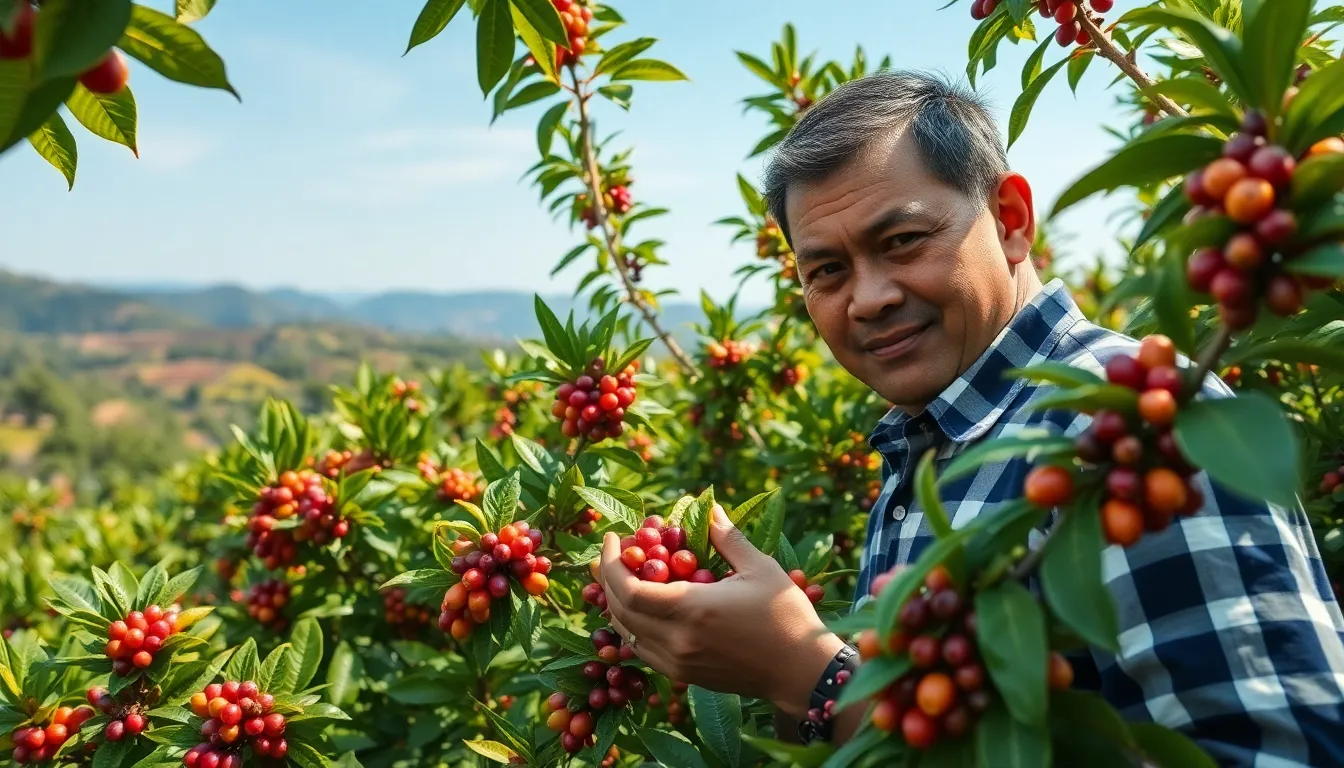
Coffee production plays a critical role in the global economy and shapes coffee culture today. As farmers cultivate coffee beans, various factors influence not only the quality of the product but also its environmental impact.
From Bean to Cup
Coffee production begins with the cultivation of coffee plants in countries such as Brazil, Vietnam, and Colombia. The process includes several stages: harvesting, processing, and roasting.
- Cultivation: Arabica and Robusta are the primary beans grown, comprising about 60% and 40% of global production, respectively.
- Harvesting: Manual labor is often required for hand-picking ripe cherries, which can lead to employment for millions of people worldwide.
- Processing: Methods include wet and dry processes that affect flavor profiles. Wet processing emphasizes acidity, while dry processing highlights sweetness.
- Roasting: Roasting transforms green beans into the aromatic coffee enjoyed in cafés, impacting taste, aroma, and color.
The entire journey from bean to cup reflects regional preferences and methods, providing a unique cultural experience tied to each locale.
Environmental Considerations
Coffee production significantly impacts the environment, often leading to concerns about sustainability. The following challenges arise:
- Deforestation: Expanding coffee farms can lead to habitat loss for wildlife, with studies indicating that coffee cultivation has contributed to the deforestation of areas such as the Amazon.
- Water Usage: Coffee processing is water-intensive, with one kilogram of coffee requiring approximately 15,000 liters of water. Improper management can lead to water scarcity in coffee-growing regions.
- Pesticides and Chemicals: Conventional farming practices often rely on chemical inputs, which can harm ecosystems and reduce biodiversity.
To mitigate these effects, movements toward organic farming and fair trade practices have gained momentum. Adopting sustainable methods ensures long-term viability for coffee farmers, preserves ecosystems, and enhances the quality of coffee products worldwide.
Social Aspects of Coffee Culture
Coffee serves as a powerful social connector, fostering community interactions in various environments. It enriches relationships through shared experiences, making it an integral aspect of daily life worldwide.
Coffee Shops as Community Hubs
Coffee shops function as vital community hubs, offering spaces for social interaction, work, and leisure. These establishments host diverse groups, from students studying to friends meeting for conversation. Research indicates that 51% of coffee consumers regularly visit cafés for socializing (National Coffee Association, 2023). Unique atmospheres often cultivate connections beyond coffee, including art gatherings and live music events, enhancing local culture and community engagement.
Rituals and Traditions
Coffee rituals and traditions vary significantly across cultures, creating unique social practices. In Italy, the ritual of making and enjoying an espresso is steeped in daily life, emphasizing quick social interactions. Ethiopia’s coffee ceremony represents a communal experience, showcasing hospitality and cultural pride. Japanese coffee culture, on the other hand, reflects precision and artistry in brewing, contributing to a thoughtful and serene drinking experience. Each region’s customs highlight coffee as more than just a drink; it becomes a medium for connection and celebration, reinforcing social bonds and cultural heritage.
Trends in Coffee Culture
Coffee culture continues to evolve, with several notable trends shaping its landscape. These trends reflect shifting consumer preferences and a heightened awareness of sustainability and quality.
Specialty Coffee Movements
Specialty coffee movements emphasize quality, sourcing, and brewing techniques. Coffee enthusiasts increasingly demand transparency in how coffee is produced, leading to a surge in direct trade relationships between growers and roasters. Many cafés focus on single-origin beans, offering consumers insights into the flavor profiles and unique characteristics of different regions. Additionally, methods such as pour-over, cold brew, and nitro coffee are gaining popularity, allowing for diverse tasting experiences. Baristas are now seen as skilled artisans, with many participating in competitions that showcase their expertise and innovative approaches to coffee preparation.
Sustainability Practices
Sustainability practices are crucial in the evolving coffee culture. Consumers express growing concern for environmental and social impacts associated with coffee production. Initiatives aimed at organic farming and fair trade certifications address these concerns by promoting ethical sourcing and environmentally friendly practices. Many coffee brands prioritize eco-friendly packaging and carbon neutrality in their operations. Moreover, education around proper waste management is increasing, with many shops implementing practices to reduce, reuse, and recycle. These sustainability efforts not only support the environment but also resonate with consumers seeking responsible consumption choices.
Coffee culture continues to thrive as a multifaceted phenomenon that transcends mere consumption. It serves as a vital thread connecting communities and fostering meaningful interactions. The emphasis on artisanal methods and sustainable practices reflects a growing awareness among consumers about the impact of their choices.
As coffee lovers explore diverse traditions and brewing techniques from around the world, they deepen their appreciation for this beloved beverage. From the rich history of coffeehouses to the modern specialty coffee movement, the journey of coffee remains an evolving narrative that shapes social dynamics and cultural identities. With a focus on sustainability and quality, the future of coffee culture looks promising, inviting everyone to partake in this global experience.