


Eggs are a staple in many kitchens, but how often do people stop to wonder if their eggs have gone bad? Spoiler alert: nobody wants a breakfast surprise that involves a trip to the bathroom. Luckily, testing eggs for freshness is easier than finding a needle in a haystack—without the hay.
Common Signs of Bad Eggs
Identifying bad eggs is essential for food safety. Knowing the key signs helps in determining if eggs are still fresh.
Appearance
Fresh eggs appear clean and smooth. An egg with a cracked shell indicates possible contamination. Discoloration on the shell, like unusually dark spots, suggests spoilage. Inspect the egg whites; they should be clear and slightly thick. Watery whites can be a sign of age. An abnormal yolk, such as one that’s off-colored or misshapen, also signals that the egg is bad.
Smell
A strong, sulfur-like odor indicates spoilage if an egg smells bad upon cracking it open. The unpleasant smell results from bacterial growth. Fresh eggs have little to no smell. If the odor persists after rinsing, discard the egg. A foul smell is a clear warning sign, and it’s best not to consume the egg in any case.
Methods for Testing Eggs
Testing eggs for freshness can be easily accomplished through a few straightforward methods. These techniques ensure safe consumption and help identify any potential spoilage.
Float Test
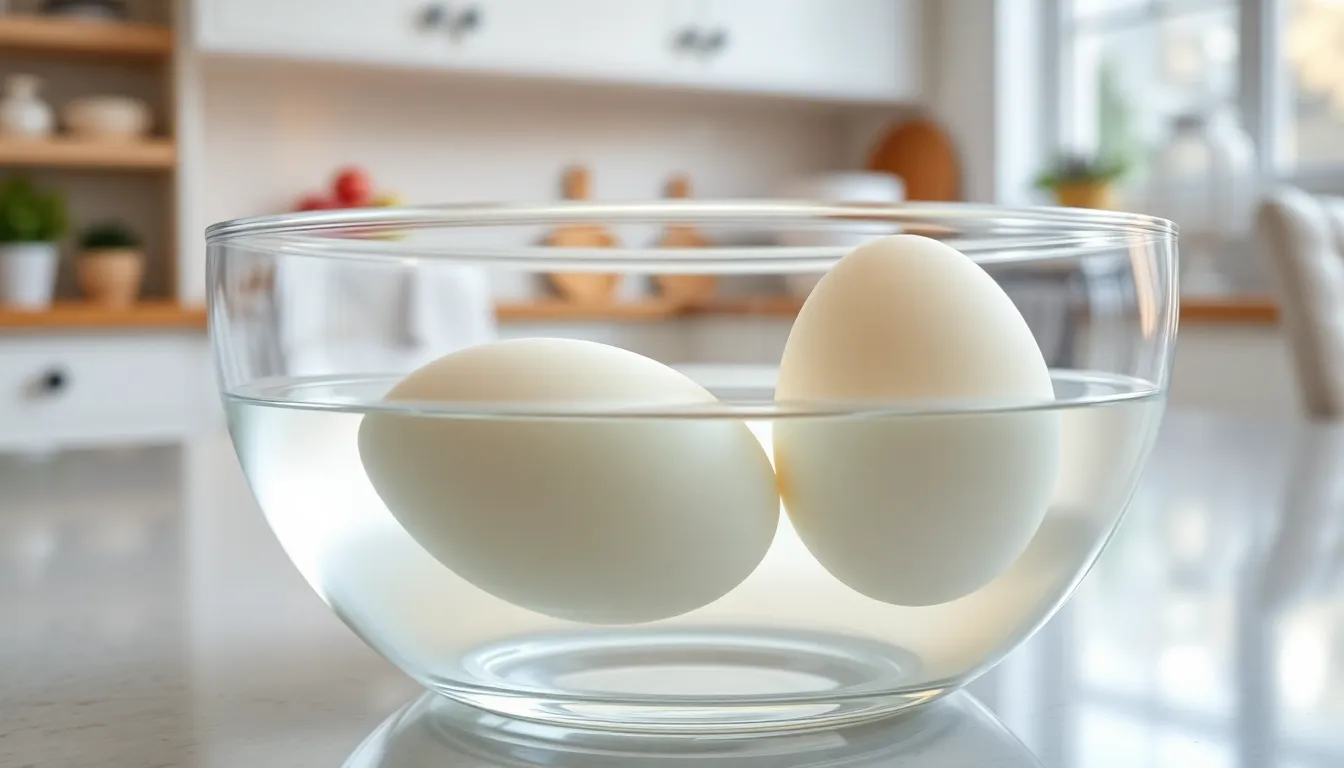
The float test provides a quick way to assess egg freshness. Fill a bowl with water and gently place the egg inside. Fresh eggs typically sink to the bottom and lay flat. An older egg will stand upright on the bottom, while a bad egg floats to the surface. Floating occurs because an egg’s contents shrink as it ages, allowing air to enter and causing it to become buoyant. This simple test gives an immediate indication of an egg’s quality.
Shake Test
The shake test is another effective method to check for spoilage. Hold the egg up to your ear and give it a gentle shake. Fresh eggs feel firm and solid, showing no movement inside. An older or bad egg produces a sloshing sound, indicating that the egg whites and yolk have thinned out. This occurs as the egg loses moisture and air enters through the porous shell. A sound during the shake test suggests age and potential spoilage.
Sniff Test
The sniff test is crucial when cracking an egg. After breaking the shell, a fresh egg emits little to no odor. A strong, sulfur-like scent signifies spoilage, confirming that the egg should not be consumed. Bad eggs often have a pungent smell, making this method an essential part of assessing viability. Always trust your nose when evaluating egg freshness, as a foul odor indicates the egg is unsafe.
Safety Tips for Handling Eggs
Handling eggs safely is essential for preventing foodborne illnesses. Proper storage ensures eggs maintain their freshness and safety.
Proper Storage
Refrigeration plays a crucial role in keeping eggs safe. Eggs should sit in their original carton to protect them from strong odors and moisture in the fridge. They require a consistent temperature, ideally set between 33 and 40°F. Placing eggs on the middle shelf is ideal, as it avoids temperature fluctuations from the door. Cleanliness is equally important; hands and surfaces should remain clean when handling eggs to prevent cross-contamination. Discarding any eggs with cracks or visible dirt helps reduce risks.
Expiration Dates
Expiration dates provide guidance for egg safety but not absolute assurance. The “sell-by” date indicates when a store should sell the eggs but doesn’t mean they are bad after that date. Eggs often remain safe for consumption up to three to five weeks past the sell-by date if stored correctly. Always check dates on the carton when purchasing and consume eggs well before they expire. If uncertain, use the freshness testing methods previously mentioned to verify quality before use.
Benefits of Fresh Eggs
Fresh eggs provide numerous nutritional advantages. They contain high-quality protein, which supports muscle maintenance and overall health. Eggs also offer essential vitamins such as A, D, E, and B12, contributing to a balanced diet.
Their yolks are rich in healthy fats, specifically omega-3 fatty acids, which play a role in heart health and brain function. Antioxidants found in fresh eggs, including lutein and zeaxanthin, promote eye health. These nutrients work together to reduce the risk of age-related macular degeneration.
Cooking with fresh eggs enhances flavors in dishes. The creaminess of fresh eggs improves the texture of scrambled eggs, omelets, and baked goods. When used in recipes, they contribute to superior taste and moisture.
Fresh eggs have a longer shelf life compared to older, expired eggs. Consuming fresh eggs reduces the likelihood of foodborne illnesses. Their firm whites and bright yolks indicate freshness, adding confidence in meal preparation.
Sourcing fresh eggs supports local farmers and sustainable practices. Purchasing from local farms often means better understanding the egg’s journey from farm to table. This connection fosters a sense of community and encourages environmentally friendly choices.
Using fresh eggs in culinary creations can elevate any dish. Recipes benefiting from their freshness include classic deviled eggs, rich custards, and decadent soufflés. Incorporating fresh eggs into meals maximizes nutritional benefits and enhances the dining experience.
Testing eggs for freshness is a straightforward yet essential practice that ensures safety and quality in the kitchen. By utilizing methods like the float test, shake test, and sniff test, anyone can easily determine whether their eggs are still good to use. Proper storage and handling further enhance egg longevity and minimize the risk of foodborne illnesses.
Incorporating fresh eggs into meals not only boosts nutritional value but also elevates the overall dining experience. Whether sourced from local farms or grocery stores, prioritizing egg freshness supports healthy eating habits and contributes to better meal preparation.