



Coffee culture isn’t just about sipping a cup of joe; it’s a vibrant lifestyle that’s brewed in cafes and homes around the world. From the bustling espresso bars of Italy to the cozy coffee shops in Seattle, it’s where friendships are forged, ideas are sparked, and sometimes, where the world’s greatest debates over cream versus no cream unfold.
Imagine a place where the aroma of freshly ground beans fills the air, and every sip tells a story. Coffee culture embraces everything from artisanal brewing techniques to social rituals, making it a rich tapestry of flavors, traditions, and connections. So grab your favorite mug, and let’s dive into the delightful world of coffee culture—where every cup is an invitation to explore, connect, and laugh a little along the way.
What Is Coffee Culture?
Coffee culture encompasses the social practices and rituals associated with coffee consumption. It reflects a way of life where coffee serves as a catalyst for social engagement, creativity, and community bonding. Different regions have unique interpretations of coffee traditions. For example, Italian espresso bars focus on quick service and social interaction. Seattle’s renowned coffee shops emphasize artisanal brewing and a relaxed atmosphere.
Rituals play a significant role in this culture. Daily routines often involve visits to local cafes, where people come together to share ideas and experiences. These gatherings foster connections, whether casual or deep. Furthermore, the sensory aspects of coffee, such as its rich aroma and diverse flavors, enhance the overall experience. Each cup tells a unique story, reflecting the origin and craftsmanship behind it.
Artisanal methods of brewing contribute to the appreciation of coffee culture. Techniques like pour-over and cold brew highlight the skill involved in preparing high-quality coffee. Specialty beans sourced from various regions elevate the tasting experience and spark discussions among enthusiasts.
Embracing coffee culture means engaging with the global community of coffee lovers. Festivals, tastings, and workshops connect individuals who share a passion for this beverage. Each interaction reveals a shared appreciation for the intricacies of coffee and its role in daily life. This culture extends beyond mere consumption; it encourages exploration and understanding of coffee’s journey from farm to cup.
Historical Background
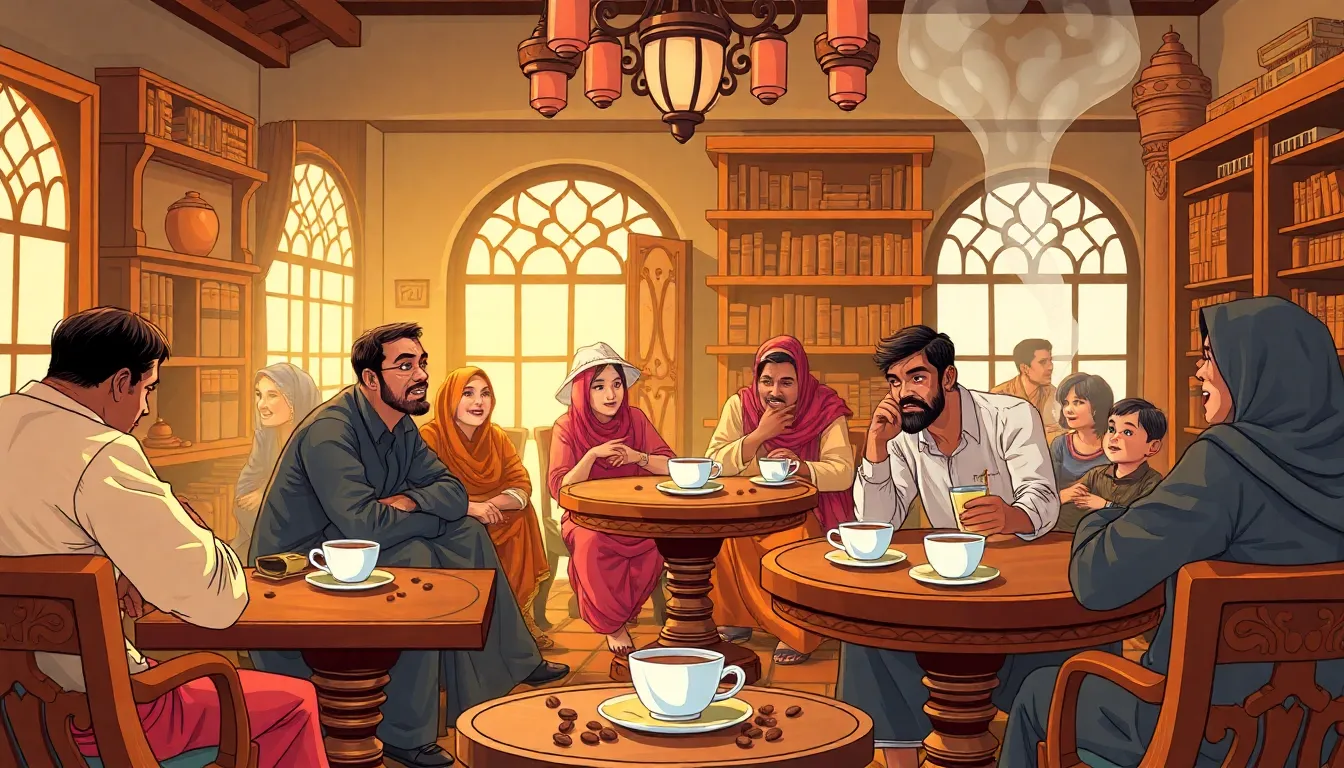
Coffee culture traces its roots to the early 15th century, where it began in the Sufi monasteries of Yemen. This cultural phenomenon quickly spread to Persia, Egypt, and the Ottoman Empire, where coffee became integral to social life and rituals. Coffee beans emerged as a popular commodity in trade, paving the way for their global journey.
Origin of Coffee
Historical records suggest that coffee’s origins lie in the Ethiopian region of Kaffa. Legend attributes its discovery to a goatherd named Kaldi, who noted his goats’ heightened energy after eating coffee cherries. By the 13th century, coffee cultivation took shape in Yemen’s mountainous regions. Arab merchants facilitated the spread of coffee, solidifying its place in various cultures. The beverage evolved from a simple drink into a symbol of hospitality and social interaction.
Evolution of Coffee Houses
The 16th century saw the rise of the first coffee houses, known as qahveh khaneh, in the Middle East. These establishments became centers for conversation, intellectual debate, and entertainment, drawing in diverse crowds. By the 17th century, coffee houses reached Europe, specifically England and France. These venues catered to literary figures and artists, fostering creativity and community bonding. Women began establishing their own coffee houses during the late 19th century, contributing to the social landscape.
Key Elements of Coffee Culture
Coffee culture thrives on various elements that enhance its significance beyond mere consumption. Among these, the social aspects and rituals play crucial roles in shaping experiences.
Social Aspects
Coffee serves as a bridge for social interactions. People gather in cafes, enjoying conversation over a freshly brewed cup. Communities form around shared interests in unique blends and artisanal brewing methods. Events like coffee tastings and festivals encourage connections among enthusiasts. Coffee shops often become communal hubs, promoting networking and collaboration. They provide environments conducive to creativity, where ideas flow as freely as the coffee itself. Each interaction deepens the appreciation of this beverage, infusing daily routines with social purpose.
Rituals and Traditions
Rituals around coffee provide a sense of belonging and heritage. Preparation methods vary by region, with each culture developing unique practices. In Italy, sipping espresso at the bar exemplifies quick yet meaningful social interaction. Japanese tea ceremonies incorporate precision and mindfulness, influencing their coffee traditions. People often associate morning routines with brewing methods, cultivating appreciation for quality. Events like coffee cuppings promote learning and exploration across global communities. This focus on authentic experiences enriches the collective narrative, celebrating the journey from farm to cup.
Global Perspectives on Coffee Culture
Coffee culture varies widely around the world, each region showcasing distinct practices and traditions.
Coffee Culture in Italy
Italy exemplifies coffee culture with its espresso bars, where quick service and social interaction thrive. People often stand at the counter, enjoying their daily espresso while engaging in hearty conversations. An Italian morning typically begins with a “caffè” alongside a pastry, setting the tone for the day. The country’s rich coffee legacy emphasizes quality, with a focus on traditional brewing methods. Baristas often perfect their craft, showcasing latte art and expert extraction techniques. Celebrated regional variations exist, such as the bold “ristretto” and the creamy “cappuccino.” Cafés serve as community hubs, embodying the essence of Italian social life.
Coffee Culture in Ethiopia
Ethiopia, often regarded as the birthplace of coffee, places immense cultural significance on its coffee ceremony. The preparation involves roasting green beans over an open flame, releasing aromatic scents that fill the air. Traditionally, guests participate in the brewing process, enjoying each cup in a communal setting. This ritual not only highlights the labor involved but also fosters unity, creating strong social bonds. Unique coffee varieties, such as Yirgacheffe and Sidamo, offer distinct flavor profiles that reflect the country’s diverse ecosystems. The Ethiopian coffee culture reflects deep respect for the beverage, celebrating its historical roots and communal aspects.
Impact of Coffee Culture
Coffee culture significantly shapes economic landscapes and fosters community ties. Its influence reaches beyond the simple act of consumption, affecting various aspects of society.
Economic Influence
Coffee culture contributes greatly to local and global economies. The coffee industry generates billions of dollars annually, providing jobs in farming, roasting, selling, and serving coffee. In developing countries, coffee farming remains a crucial source of income for millions. Specialty coffee shops increase their local economies through tourism and customer loyalty, with patrons eager to explore unique offerings. The rise of artisanal coffee movements further drives investment in sustainable farming practices and ethical sourcing, ensuring the industry’s longevity and health.
Community Building
Coffee culture cultivates strong community bonds. Local cafes serve as gathering spots where individuals connect, share ideas, and collaborate on projects. Events such as coffee tastings and workshops invite participation and learning, while bringing people together around a shared passion. In diverse neighborhoods, coffee serves as a common thread, promoting interaction among different cultures. Rituals associated with coffee, like communal brewing practices, reinforce a sense of belonging. Overall, coffee culture enhances social connections, creating vibrant community spaces that celebrate relationships and creativity.
Coffee culture is more than just a beverage; it’s a rich tapestry of social interactions and creative expressions. From the bustling espresso bars of Italy to the artisanal coffee shops of Seattle, each setting fosters a unique atmosphere that encourages community bonding. The rituals surrounding coffee enhance the experience, making it a bridge for connections and conversations.
As coffee lovers engage with this vibrant culture, they also contribute to a global community that values quality and sustainability. Whether through shared experiences at local cafes or participation in coffee festivals, the appreciation for coffee continues to grow. Embracing coffee culture invites individuals to explore its depths and celebrate the stories that each cup holds.